
Call - Central Florida Call - South Florida Call - North Florida

Home Owners Insurance Coverage

Navigating Mold Issues and Home Insurance in Florida? We're Here to Assist!

Mold problems can be stressful for homeowners and businesses in Florida. The good news is, many insurance policies offer coverage for mold cleanup, but it really depends on the details of your policy and what caused the issue. At Mold Masters, we’re experts at guiding you through the remediation process and helping you see if your loss could be covered by your insurance.

Do You Have Hurricane Damage? 🏚Flooding? 🌊 or Leaky Pipes? 🚰

Will Your Homeowners Insurance Cover Mold Damage?

In Florida, most homeowners insurance policies cover mold damage, if it’s caused by a catastrophic, sudden, weather, or accidental water event. Think of things like:


🏡 Roof leaks from storm damage

🛁 Pipes bursting or leaking suddenly

🍽️ Fridge or dishwasher leaks

❄️ Air conditioner drain line gets clogged or breaks

⛈️ Hail, Wind, or Flood Damage from a storm

🏚️ Flooding (if you have extra flood insurance)


However, mold damage that happens because of neglect, deferred maintenance, leaks caused by an old roof, mold/water damage that was there when you bought the home (pre-existing condition), high temperature or humidity, leaky window sills, etc. are often not covered by homeowners insurance.


Some insurance companies do offer additional mold coverage, that you can add on to your policy for an additional cost, to help cover the cost of a remediation and your rebuild.

Need help understanding your claim? We can help walk you through the process!
Speak to One of Our Specialists
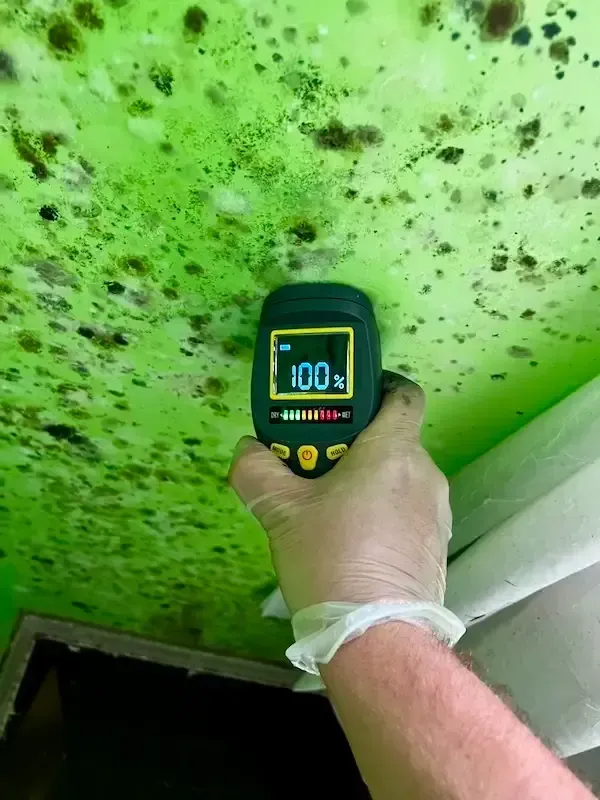
Mold caused by storm surge and flooding in a home

Things to Keep in Mind About Insurance Coverage:

Even if your policy does cover mold cleanup, there might be limits. Some policies might cap mold-related claims at $10,000, or not even cover mold that’s been a problem for a long time and has not been taken care of. Commercial policies might have even more limited coverage, usually only if the mold is caused by something else that’s covered, like a fire or water damage.

Contact Us

Learn More About:

Steps to File a Mold Damage Insurance Claim:


If you think you have mold damage and need to file an insurance claim, here’s what to do:


1️⃣ Document Everything: Take lots of clear photos and videos of the moldy areas. Also, make note of any visible water damage that might have led to the mold.

2️⃣ Contact Your Insurance Company Right Away: Report the mold issue as soon as possible. Ask them to send a field adjuster to check out the damage.

3️⃣ Get a Professional Mold Inspection: A certified mold remediation expert (like us at Mold Masters!) can give you a detailed report to support your loss and claim. It should have measurements, required equipment, detailed photos, floor plans, etc.

4️⃣ Review Your Policy Carefully: Look at your policy’s declarations page to see exactly what’s covered and what the limits are. Good news is if the water damage came from storm damage, the mold will fall under your Coverage A vs Mold & Fungi Coverage. That means you will have much higher policy limits to help pay for your damage.

5️⃣ Prevent More Damage: Insurance companies expect you to take steps to stop the damage from getting worse (like fixing leaks with a roofer or plumber, putting up a tarp, etc.).

6️⃣ Document All Out of Pocket Expenses: Keep receipts from all of your parts, professional repairs, and inspections. You can submit them to your insurance, and they will apply them towards your deductible. That means you get more money back in your pocket!

7️⃣ Keep Track of Your Claim: Keep all records of your conversations with your insurance company. Build a journal and log every phone call and email with a date, time and notes. If your claim is denied, you can appeal or get help from a public adjuster.

Call Us with Your Questions

Frequently Asked Questions

Dealing with mold damage can be stressful, especially when you’re unsure if your homeowner’s insurance will help cover the costs. At Mold Masters, we work closely with Florida homeowners to help them understand their coverage and guide them through the remediation process from start to finish. Because mold problems in Florida are often linked to water damage from storms, leaks, or plumbing failures, it’s important to know what your policy includes and what it doesn’t. Below, we’ve outlined answers to the most common questions about mold coverage for homes across North, Central, and South Florida.

  • 1️⃣ Does my Florida home insurance policy cover mold damage?

    🌀 It depends on the cause of the mold.


    Most Florida homeowner’s insurance policies will cover mold only if it results from a sudden and accidental water event, such as:

    • 🚿 A burst or broken plumbing pipe
    • 🌪️ Storm or hurricane damage causing water intrusion
    • 🧺 An overflowing appliance (dishwasher, washing machine, refrigerator water line, etc.)
    • 💨 Wind-driven rain entering through storm-damaged openings

    However, mold caused by gradual issues—like slow leaks, roof seepage, poor ventilation, or high humidity—usually falls under general maintenance and isn’t covered.


    📞 Always check your individual policy or speak directly with your insurance agent to confirm your coverage. Mold Masters can also assist with inspection reports and documentation to support your claim if it qualifies.

  • 2️⃣ Does Florida homeowners insurance cover mold from hurricanes?

    If mold growth occurs after hurricane damage, your insurance may cover it—but it depends on how the water entered your home.


    If you have:

    • 🌪️ Roof damage or wind-driven rain that allowed water intrusion → mold remediation is often covered under your standard homeowner’s policy.
    • 🌊 Storm surge or flooding → this typically requires a separate flood insurance policy to be covered.

    If you don’t have flood coverage, you may still be eligible for assistance through FEMA after a federally declared disaster. Always document damage immediately and contact your flood insurer to determine next steps.

  • 3️⃣ Why would my insurance company deny a mold claim, and what can I do if it happens?

    Claims are often denied when mold is linked to neglect, long-term leaks, or causes not covered by your policy. Common denial reasons include:

    • 🛠️ Neglect: Ignoring visible leaks, musty smells, or water stains.
    • 🐢 Gradual damage: Ongoing drips or seepage from plumbing or roofing.
    • 🌊 Flood-related mold: Requires separate flood insurance.
    • 🔧 Maintenance issues: Unsealed windows, roof jacks, or worn caulking.

    📋 Pro tip: Keep detailed maintenance records, receipts, and photos to show you’ve properly cared for your property—this can strengthen your claim.


    If your claim is denied:

    • ❓ Ask for a clear explanation in writing.
    • 📄 Re-review your policy and any exclusions.
    • 💬 Consider hiring a licensed public adjuster or attorney experienced in Florida insurance claims to help appeal or negotiate on your behalf.
  • 4️⃣ Is there a cap on how much insurance will pay for mold remediation?

    Yes—most Florida homeowner’s insurance policies include specific limits for mold coverage, even when the claim is approved.


    • 💵 Water Loss Coverage: Ranges anywhere from $10,000 to unlimited, depending on your policy and the type of event.
    • 💸 Mold & Fungi Coverage: Typically capped around $10,000, unless you’ve added extra mold coverage.

    Because remediation costs can vary depending on how far the mold has spread, it’s essential to understand your policy’s limits and exclusions before a loss occurs. Review your coverage annually, especially before hurricane season, to ensure you’re fully protected.

  • 5️⃣ Will my insurance pay for my rebuild?

    Usually—yes! 🏠


    After a covered water or mold event, most Florida homeowners receive separate funds for remediation and rebuilding:

    • 🔹 Mold & Fungi Coverage pays for professional mold removal and cleaning.
    • 🔹 Water Loss Coverage pays for repairs and reconstruction of damaged areas.

    However, if your loss was due to a natural disaster such as a hurricane or flood, deductibles, coverage limits, and payout rules may differ. Always confirm these details with your insurance agent before starting remediation or repair work.


    Mold Masters can coordinate directly with your insurance provider and restoration contractor to make sure your remediation and rebuild process is seamless and properly documented.

  • 6️⃣ What should I do immediately after discovering a potential mold issue to ensure my claim is successful?

    ⏱️ Time is critical when it comes to both mold growth and insurance claims. The faster you act, the better your chances of getting coverage approved.


    Here’s what to do right away:

    • 🛑 Stop the source of water, if possible — shut off valves or contain leaks to prevent further damage.
    • 📸 Take clear photos and videos of all visible mold, water stains, and affected materials.
    • 📞 Contact your insurance company as soon as possible to start your claim.
    • 🧾 Keep detailed records of every call, email, and receipt for emergency repairs or cleanup.

    Delays can lead to claim denials for “failure to mitigate damage,” so act fast and document everything thoroughly. Mold Masters can also provide inspection reports and moisture readings to support your claim.

Feeling lost or confused? 😵‍💫 We can help! 💪

Or

Need Help with Finding Out if Your Mold Damage is Insured?


If you’re dealing with mold and need to work with your insurance company, Mold Masters is ready to assist. We have lots of experience helping Florida homeowners and businesses with their insurance claims and providing excellent mold cleanup services.


Contact Mold Masters today to protect your property and make the insurance claim process easier. Give us a call or send us a message online to get started!